
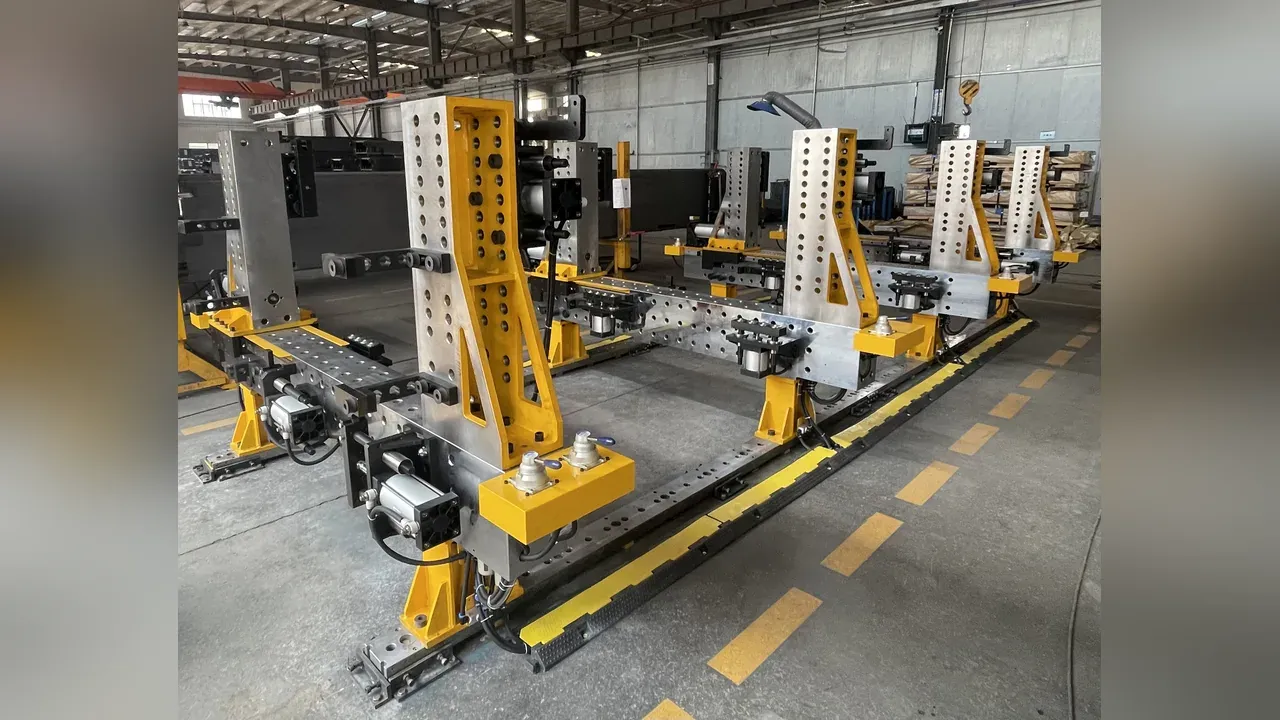
Design considerations for modular fixture systems
SANWZB's supplied technical archive discusses computer-assisted design for modular fixtures, including component libraries, workpiece models, assembly review and information management. The source refers to software and practices in its historical context. This article develops the underlying design questions for an industrial buyer without claiming that a particular software package, simulation function or automated design service is included with a SANWZB order. The design scope and deliverables must be confirmed for each project.
Begin with controlled input information
A fixture design needs an identifiable workpiece and a clear description of the task. Collect the part and assembly drawings, dimensions, materials and relevant product revisions. Explain which operations occur in the fixture and which have already been completed. If there are several variants, identify them separately and describe the differences that may affect the locating arrangement.
Keep the source of each requirement visible. A drawing dimension, an internal process preference and an anticipated future change are different inputs. Distinguishing them helps the design discussion focus on confirmed requirements without losing track of open questions. The supplier should know which information is approved for quotation and which remains under review, especially when the project is still at a development stage.
Define the references before choosing components
Identify the features that establish the intended position of the workpiece. Show the relevant contact surfaces or interfaces and explain any restrictions on their use. This gives the fixture designer a basis for discussing the locating arrangement. Starting with a catalog accessory list can be less useful if the role of each component has not yet been connected to the assembly.
Separate locating from holding. A clamp may maintain contact with a reference without defining every aspect of the component's position. The proposed arrangement should make those roles understandable. Ask the design team to identify the assumptions behind the layout, particularly where incoming component variation or a sequence of assembly steps affects the intended position. The goal is a defined arrangement that can be reviewed against the task.
Build a trustworthy component library
The historical source highlights the usefulness of a library of standard fixture elements. For a project using such a library, confirm that the models correspond to the actual products proposed for purchase. Names, dimensions and interfaces should remain associated with the correct component. A visually plausible model is not enough if its geometry or identification differs from the supplied item.
Where the buyer already has an inventory, provide the relevant specifications and drawings. Identify any custom components separately from standard catalog parts. If a library entry is changed, keep track of which layouts use it. These practices help maintain a connection between the digital arrangement and the physical equipment. They do not require a particular software brand; they require reliable information for the selected design process.
Confirm the platform interfaces
The table and fixture components need compatible working and locking interfaces. SANWZB's catalog includes D16, D22 and D28 families, so the chosen system should be explicit in the design records. Verify the actual component dimensions and any connection to existing equipment. Do not assume that similar appearance or a shared generic name establishes interchangeability.
If an adapter, dedicated base or custom connection is required, include it in the design scope and equipment list. Show which party reviews the interface with surrounding equipment. A fixture model can look complete while omitting a connection that matters during installation. Making those interfaces explicit early gives the responsible engineers a chance to resolve them before manufacturing or shipment.
Model the assembly sequence
A completed arrangement represents only one condition of the task. The workpiece must be loaded, located, held, processed and removed. Review the fixture through those conditions rather than concentrating only on the final assembled model. Identify components that move, open or are exchanged. Explain where access is needed by operators and by the equipment performing the joining operation.
The depth of digital review should match the agreed project scope. If a simulation or other analysis is required, identify who performs it, which model revision it uses and what questions it addresses. Do not assume that a general computer-assisted layout includes every possible movement or application check. The deliverables should make the actual review and any remaining limitations clear to the buyer.
Look for interference in the relevant conditions
An interference review needs to consider the arrangement that actually exists at each stage. A clamp in its holding position may differ from its loading position. A component that clears the final assembly may obstruct an earlier part placement. Include the relevant surrounding equipment and handling information where it affects the proposed fixture.
Digital checks depend on the completeness and accuracy of the input models. Treat their results as part of the engineering evidence rather than as a blanket proof that the installation will work. Identify simplifications or missing information and resolve the important questions through the appropriate review. A useful record states what was examined and under which assumptions, instead of offering an unsupported assurance that all problems have been eliminated.
Prepare a clear bill of components
Translate the agreed layout into an identifiable component list. Include names, quantities and the information needed to distinguish standard parts from custom elements. Show which items are supplied with the base table and which are additional. A consistent list helps the purchasing team compare the technical arrangement with the quotation and later with the shipment.
For multiple fixture variants, identify shared components and those assigned to each layout. Check whether the same inventory is expected to serve simultaneous stations. Keep the component list associated with the reviewed drawing revision. This makes the relationship between the model and the physical equipment easier to follow and provides a useful starting point when the workshop later requests additional parts or technical assistance.
Design for understandable changeovers
If the arrangement is intended to support more than one product, describe the changeover as a sequence. Identify which components move, which are exchanged and how the correct configuration is recognized. A modular design should not leave those decisions entirely to the operator after delivery. The appropriate instructions depend on the equipment and the buyer's process, but the requirement should be discussed during design.
Associate each layout with the relevant part revision and component inventory. Consider whether custom inserts or other dedicated elements require clear identification. When the product changes, review the effect on the fixture rather than assuming the existing layout remains suitable. Documented configurations make the intended flexibility more specific and give the production team a consistent basis for communicating changes.
Keep requirements and analysis results separate
A drawing requirement states what is needed. An analysis result describes a check performed under particular assumptions. An observed result comes from an actual evaluation. Keeping these categories separate helps a team assess what the available evidence establishes. A proposed fixture should not be described as meeting every production outcome simply because a model has been assembled without obvious overlap.
If dimensional, load or other application requirements need review, identify them in the technical package and agree on the responsible engineering process. This article does not provide calculation methods or acceptance values for a specific fixture. Those matters depend on the selected equipment and application. The important purchasing step is to communicate them clearly enough that the quotation and design scope can address the actual requirements.
Manage changes after design review
An approved arrangement can become outdated when the workpiece, process or surrounding equipment changes. Establish how revisions are identified and communicated. Retain the prior records as appropriate to the buyer's own procedures, while making the current approved configuration clear. The physical equipment and its documentation should continue to describe the same arrangement.
When requesting a modification, provide the installed equipment identification and the changed drawing information. Explain which parts of the current fixture are expected to remain. This allows the supplier to review the specific change instead of treating it as an undefined new project. It also helps distinguish a product quality question from a requirement that has changed since the original order was agreed.
Agree on deliverables and confidentiality
Before sharing confidential drawings, discuss the required NDA and authorized project contacts. Identify the design documents, models, component lists and inspection information that the buyer expects to receive. File formats and any application review activities should be agreed rather than inferred from a general statement about computer-assisted design. The historical source's mention of a software package does not establish its availability as a current deliverable.
Clarify the handover and product instruction required for the actual equipment. Manuals, videos and remote training can be discussed under SANWZB's supplied FAQ, with the applicable scope confirmed for the order. If an integrator or another supplier is involved, identify how their documents and interfaces are coordinated. Clear ownership of those tasks makes the technical package more useful when the equipment reaches the workshop.
Prepare a design-focused RFQ
Send the controlled part drawings, assembly model where available, dimensions, material and quantity. Add the locating requirements, operating sequence, existing interfaces and product variants. Identify open questions and distinguish them from approved requirements. State the documentation and acceptance information needed so that the proposed design and equipment scope can be reviewed together.
Email [email protected] to discuss the project. The custom fixture, manufacturing capability and system selection pages provide related SANWZB information. This guide draws on the supplied technical article about modular fixture design, while keeping software references and historical examples separate from current contractual deliverables. The next step is a project-specific review tied to your actual parts, equipment interfaces and agreed technical requirements.
Source and related resources
Based on the supplied SANWZB company archive: Original company article 467. Historical website publication dates are kept separate from the events discussed.
System selection guide · Custom fixture requirements · Discuss your project